Ah Ah! We Are Not Losing Momentum Now….
The plan you need for every table between now and January
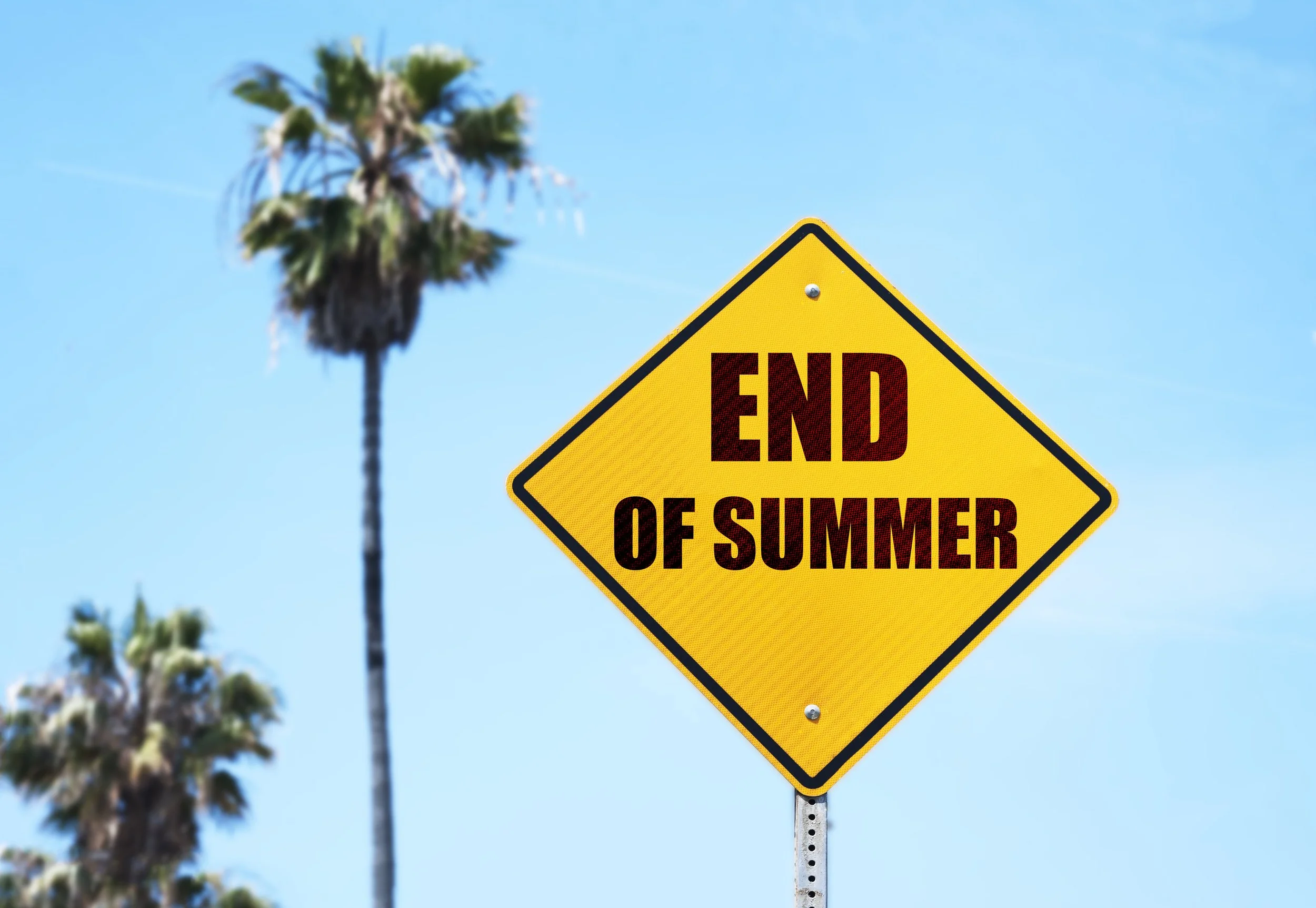
Summer is closing out. The pool schedule is winding down, the grocery store has already put pumpkin on everything, and the first day of fall lands next Tuesday.
Now let me talk to the person who has been putting in work all year. You have been eating breakfast. You have been walking after dinner. Maybe your last A1c moved in the right direction, or maybe it did not move much but you know your habits did. Either way, you built something over these last several months.
And right on schedule, here comes the season that everyone tells you will undo it. Tailgates, then Thanksgiving, then a solid month of parties and family tables and food that only shows up once a year.
Ah ah. We are not doing that. We are not spending the next four months either white knuckling through every gathering or quietly giving up until January.
Because here is what I want you to understand. You are allowed to enjoy the holidays. Not a watered down version of them. The real ones, with the food your family actually makes. Momentum does not come from avoiding the table. It comes from knowing what to do when you get there.
What follows is not a list of things to avoid. It is a way to walk into the next four months with a plan, so you spend less energy negotiating with yourself and more energy being present.
The dread costs more than the pie
Here is where momentum actually gets lost, and it is not where people think. It is not the pie.
Every year I watch this happen. Someone has a gathering at four in the afternoon. They are nervous, so they decide to save up. They skip breakfast, they skip lunch, and they arrive with nothing in their system since the night before.
That plate is going to look very different from the one they would have built if they had eaten normally. Not because of willpower, but because that is what happens to human beings when we go nine hours without food and then get handed a serving spoon.
The dread created the problem. The food was never the problem.
Eat on your normal schedule
The rhythm I teach my clients does not change because it is a holiday. Eat your first meal within about an hour of waking. Space meals four to five hours apart. Stop eating about three hours before bed.
If the gathering is at four, that looks like breakfast at eight and a real lunch around eleven thirty. Aim for twenty five to thirty grams of protein at those earlier meals. Two eggs with Greek yogurt, a chicken thigh over rice, or cottage cheese with fruit if you are moving fast between errands. It does not have to be impressive. It has to exist.
You are not eating beforehand so you will eat less later. You are eating so you arrive with steady glucose and a clear head, able to choose what you actually want.
Build the plate you want
Order and pairing matter more than most people realize. Put the protein and vegetables on first and eat a few bites of those before you start on the carbohydrate foods.
I am not going to tell you to skip your grandmother's macaroni and cheese. I am going to tell you to put it next to a real portion of turkey and some green beans, and to eat it after those first bites. That sequence tends to blunt the rise you would get from eating it alone, and you can do it at any table in any house without announcing anything to anyone.
A plate that works might be turkey, green beans, a scoop of macaroni and cheese, a scoop of dressing, and a small portion of sweet potatoes. That is a holiday plate. It has your favorites on it and you will not feel wrecked two hours later.
If the sweet potato pie only shows up once a year, have a slice. Have it after your meal rather than on an empty stomach, and let that be the end of the negotiation.
Take the walk
If you remember one thing, remember this. Walking ten to fifteen minutes after a large meal measurably lowers how high your glucose climbs, because working muscles pull glucose out of your bloodstream without needing insulin to do it.
Holiday gatherings hand you the opportunity. Take the dog out. Walk to the corner with your cousin who wants to talk. Carry things to someone's car. Do the dishes standing up instead of sitting down with a second plate.
Three situations worth planning for
The relative refilling your plate. You do not owe anyone an explanation of your diagnosis. "This was so good, I am full" is a complete sentence. You can also accept the food and let it sit.
The party that is all appetizers. Grazing for three hours means your glucose never fully comes back down. Make a plate, sit down, eat it as a meal, and then stop returning to the table. Holding a sparkling water gives your hands something to do.
Alcohol. Have your drink with food rather than before it, and keep water alongside. If you take insulin or a sulfonylurea, talk with your care team before the season gets going, because alcohol can lower glucose hours later.
One meal is not a verdict
Type 2 diabetes develops over ten to fifteen years. It responds to patterns, not to single events. A high reading after Thanksgiving dinner is information about one meal. It is not a referendum on your character or your future.
What changes people's lives is not perfect holidays. It is eating breakfast the next morning instead of punishing themselves, taking a walk that afternoon, and continuing. The people who make real progress are not the ones who never see a high number. They are the ones who stopped treating a high number as a reason to quit.
So go to the gathering. Eat the food. Take the walk. Then wake up and eat breakfast.
You can manage this condition and still have a life that feels like yours. Those two things were never in competition.
If this was useful, I send a bi-weekly email with practical blood sugar guidance written for real life rather than for a textbook. Sign up below and I will land in your inbox once a week.