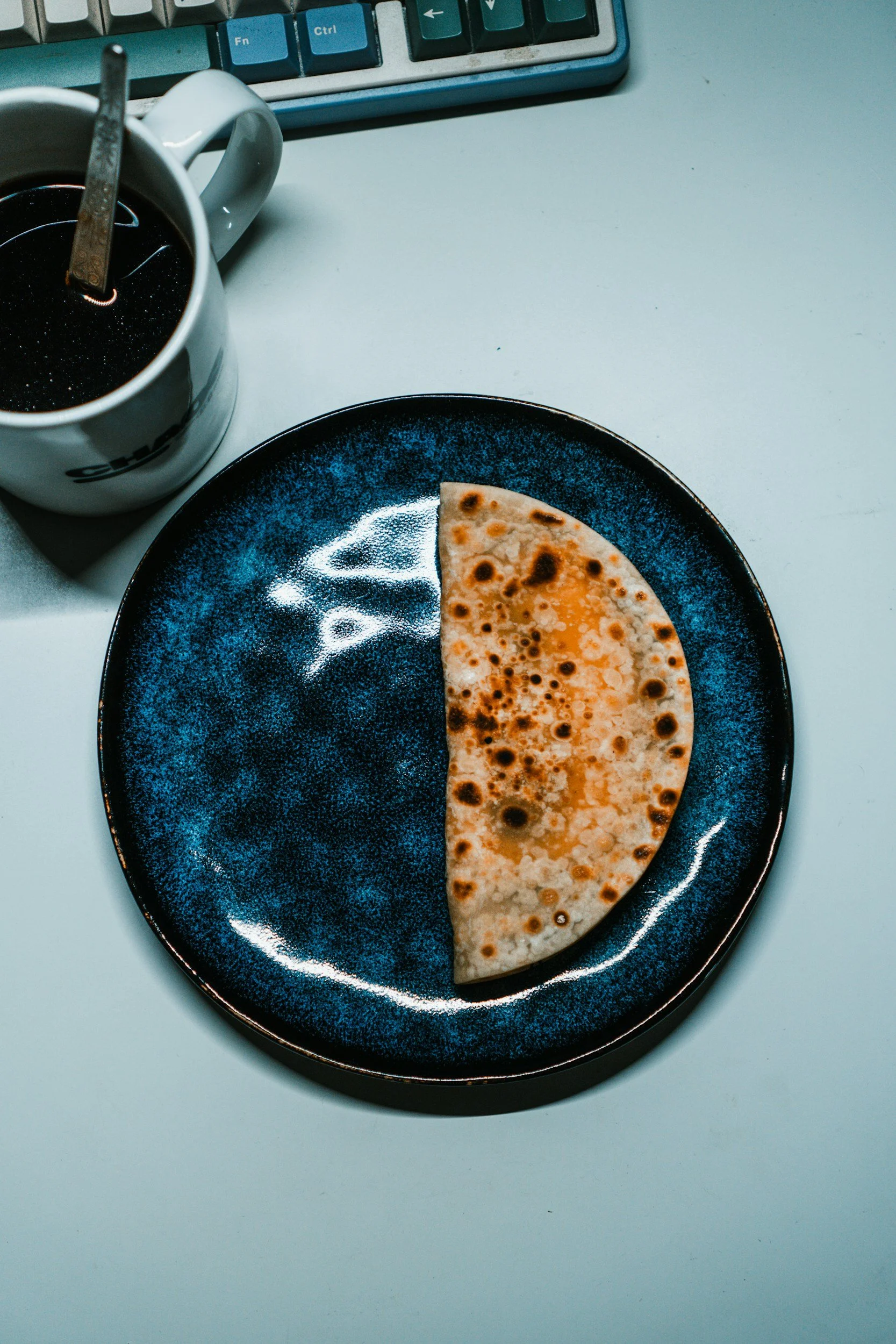
You've been here before.Same plate. Same portions. Same time of day.
And somehow your blood sugar comes back higher than usual and you're left staring at your meter wondering what went wrong.
Nothing went wrong. But something did shift. And once you understand what that is, random spikes start making a whole lot more sense.
Your Blood Sugar Response Is Not Fixed
This is the part nobody really explains. Your glucose response to any given food is not a locked-in number. It changes based on what your body is dealing with at that exact moment. The meal is just one piece of a much bigger puzzle.
Here are the most common reasons the same food hits differently from one day to the next.
Poor Sleep the Night Before
Even a single night of disrupted sleep can increase insulin resistance the next morning. Your cells become less responsive to insulin, so glucose lingers in the bloodstream longer than usual. That breakfast you handled fine on Monday? It can read completely differently on a Wednesday after five hours of broken sleep.
Stress in the Background
Cortisol is a glucose-raising hormone. A difficult conversation, a packed inbox, a deadline you've been dreading, all of it triggers a stress response that pushes blood sugar up before you ever take a bite. Your body does not know the difference between a work emergency and a physical threat. It responds to both the same way.
Meal Timing Shifted
If you ate later than usual, skipped something earlier in the day, or had a longer gap between meals, your liver may have already started releasing stored glucose on its own. By the time your meal arrives, your numbers are already on the move. The food did not cause the spike. The timing set it up.
Portion Creep
This one is quiet and sneaky. The "same food" gradually becomes a little more over time without feeling like a change. A slightly bigger scoop of rice. An extra slice of bread. A heavier pour of juice. It adds up, and your blood sugar reflects it even when your brain does not register it as different.
Less Movement Than Usual
Physical activity is one of your most powerful glucose-lowering tools. Muscle contractions help your body pull glucose out of the bloodstream without needing extra insulin. If your body expects a post-lunch walk and it does not happen, that meal lands differently than it would on a more active day.
Your Body Was Fighting Something Off
Even a mild immune response, the early stages of a cold, seasonal allergies flaring, a minor infection, can temporarily increase insulin resistance as part of your body's protective process. You might not feel sick yet, but your glucose already knows something is up.
What to Do After a Spike
First, take a breath. One high number is not a crisis. Here is what actually helps:
Move your body for 10 to 15 minutes. A walk, light stretching, or even standing and doing some light activity can help your muscles pull glucose out of the bloodstream naturally.
Drink water. Staying hydrated supports your kidneys in clearing excess glucose more efficiently.
Look at the full picture before drawing conclusions. Ask yourself: How did I sleep? Was I stressed? Did I eat on time? Was I less active today? The answer is usually in one of those questions.
Do not skip your next meal to compensate. That often backfires and leads to a bigger spike later.
Log what happened. Patterns only reveal themselves over time. One data point means nothing. A week of data starts telling a story.
Your blood sugar is a full-body conversation. Food is one voice at the table, but sleep, stress, movement, timing, and overall health are all speaking at the same time.
When you learn to listen to all of them together, blood sugar management stops feeling like a guessing game and starts feeling like something you actually have control over.
For one on one blood sugar education and support, head to www.russpowellnutrition.com/book to get on my calendar for a complimentary strategy session.